Why Good Handwriting Still Matters?
When was the last time you paused to appreciate your own handwriting? Perhaps you haven't given it much thought since those early primary school days. Kindergarteners begin with large, scary and shaky letters that gradually evolve into something readable. I recall starting kindy and practising my name on worksheets repeatedly until it no longer looked like a horror-movie prop but like actual writing. But handwriting is so much more than just a kid's milestone. I've been through the struggles and wins of handwriting from primary school all the way to high school essays, and I can tell you from experience: it's a skill worth cultivating.
With so much of our lives spent tapping and typing, it’s easy to think neat handwriting is old-fashioned. But give writing by hand a try-it’s still important for us.
For high school-bound students, clear and attractive handwriting goes beyond looks—it shapes how well their ideas come across on paper. Digital typing has its role, but exams demand handwritten responses where readability can make or break your marks more than you'd think.
Good handwriting also helps with cognitive processing. Writing by hand activates different parts of the brain than typing. For young learners, this means better retention of information, clearer thought organisation, and ultimately stronger writing skills. That personal touch helps students engage with their work and take pride in their progress.
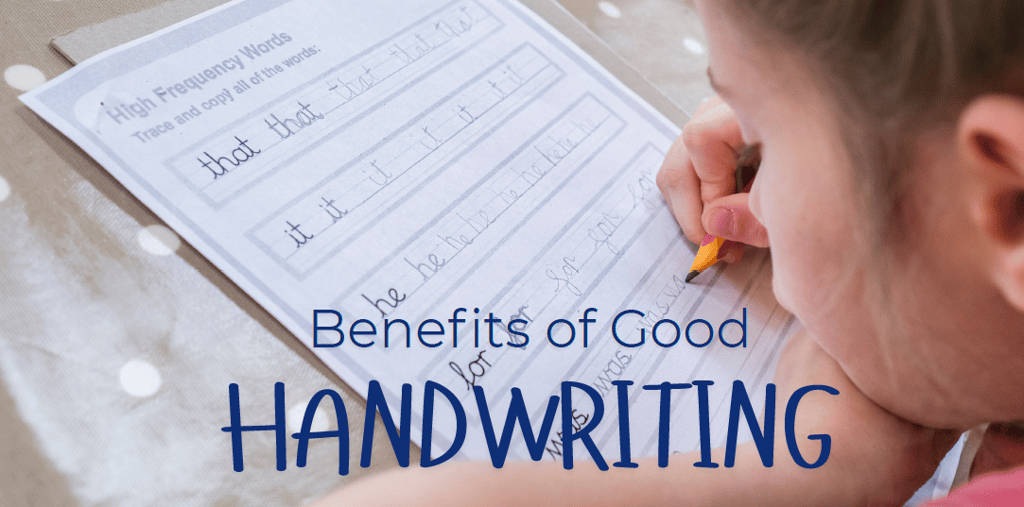
Some essential skills for good handwriting involve posture, pencil grasp, and paper placement. These skills provide a good foundation for neat handwriting. Many teachers recommend what is called the “tripod grip” method of holding the pencil. This entails resting the pencil between the thumb and the forefinger and supporting it with the middle finger.
Taking time to form each letter slowly helps kids build muscle memory and avoid getting frustrated. Using lined paper helps with spacing and keeping writing straight, which matters as kids start writing more. To parents and teachers: Try to make handwriting practice enjoyable, not just another task.
When I was in primary school, I kept a journal where I wrote a few sentences about my day, my holidays, or anything on my mind. Doing this helped me improve my handwriting as I moved up each year.
Most people do not realise how important it can be to choose the right pencil. The type of pencil you use can be very complementary to handwriting. For left-handed writers, so prone to smudging and elephant-style hand positions, a good pencil makes a large difference. Softer pencils, like 2B, require little pressure and consequently write quite smoothly, preventing smudges and tired hands. Triangular-shaped pencils or those with special grips help kids learn to hold them correctly, which is very handy in the early learning stages.
For right-handed kids, a firm yet smooth pencil helps them write neatly. Trying out different kinds—like regular wooden pencils, mechanical ones with grips, or eco-friendly options—can help kids find what works best for them.
Once you’re comfortable with pencils, you can try out different pens to see which ones you like. I still recall how excited I was in Year 3 when I got my pen license!
I wonder what writing will look like in the future? To me, handwriting is more than a school skill—it connects our thoughts to our words in a way that technology still can’t match.
As they progress from playful primary school to the demands of writing high school essays, prioritising neat, bold handwriting lays the foundation for effective communication with less stress during exams.
So the next time you find that little one hesitating over a pen or pencil, remember: You're not just encouraging neat letters, but you're nurturing lifelong tools for clarity, creativity, and confidence. Parents and teachers, invest in effective writing tools and techniques. The right pencil, coupled with good practise and patience, will turn the scribbles into something amazing.
Next time you see a young learner hesitating with a pen or pencil, offer encouragement. After all, the pen is mightier than the sword.
Until then, keep writing and keep shining!