How to Improve Reading Comprehension?
If you’ve ever seen a child frown at a reading passage and wondered if they really understand it or are just reading the words, you’re not alone. Helping primary schoolers improve their comprehension can feel challenging, but with the proper techniques, anyone can get better at it.
I want to share some practical tips and simple tricks from my own experience that can make reading easier and more enjoyable for primary schoolers.
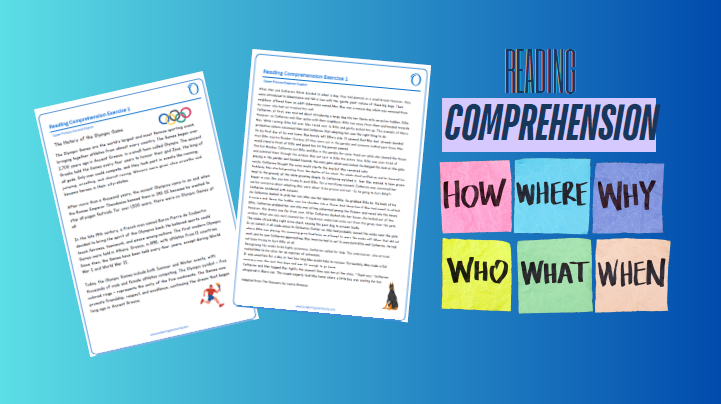
Reading is more than merely recognising words or saying them aloud. It includes reasoning, questioning, hypothesising, and linking ideas, among other things. I recall experiencing difficulty with long passages. My teacher's introduction of basic guiding questions made everything simpler. “What? When? Where?” These question words are not just for grammar but also help you understand what a text really means.
Many students find inferential comprehension difficult. This means understanding the hidden meaning behind the sentences in a passage. Often, students struggle because they lack sufficient experience or background knowledge to answer these questions. In my experience, practising with more passages helps build this skill. Parents can help by asking inferential questions and showing children which clues to look for. It takes practice. For example, if a story says, “Timmy put on his yellow boots and grabbed the umbrella,” we can guess it’s raining. The clues are the yellow boots and the umbrella.
Another helpful way to improve comprehension is to look at the questions about a passage before reading it closely. When children see questions like “Who is the main character?” or “Why did the character make that decision?”, it helps them focus as they read. This way, they read with a purpose and consider possible answers as they read.
Encourage your child to read each question carefully and pay special attention to the question words.
Here’s a quick summary:
Who? Focuses on people or characters.
What? Asks about actions, events, or details.
When? Points to the timing or sequence.
Where? Relates to places.
Why? Digs into reasons and causes.
Which? Helps narrow down choices or options.
How? Explores methods or explanations.
Being familiar with these question words provides learners with a guide for reading without being overwhelmed by every statement. When children read for a purpose, they tend to look for details that answer essential questions.
Once your child is comfortable reading the passage and thinking about the questions, teach them to take their time with the answer choices. Sometimes, the options can be tricky. By reading carefully, comparing each choice to the passage, and eliminating answers that don’t fit, they are more likely to find the right answer.
I had a breakthrough in reading when I was in Year 3. I was asked a “why” question about a story and could not answer it. My teacher advised me to stop, return, and take time to think about the question. By examining the characters' actions and feelings, I found clues that explained what happened. Everything changed. Reading improved, as it was no longer a chore. Parents can help their primary schoolers focus on question words, read one paragraph at a time, and think carefully about answer choices. We can help them become confident readers.
Don't forget that every reader's journey is unique.
Keep reading and asking questions!