
The Importance of Hands-On Learning
Welcome to OLC Blogs!
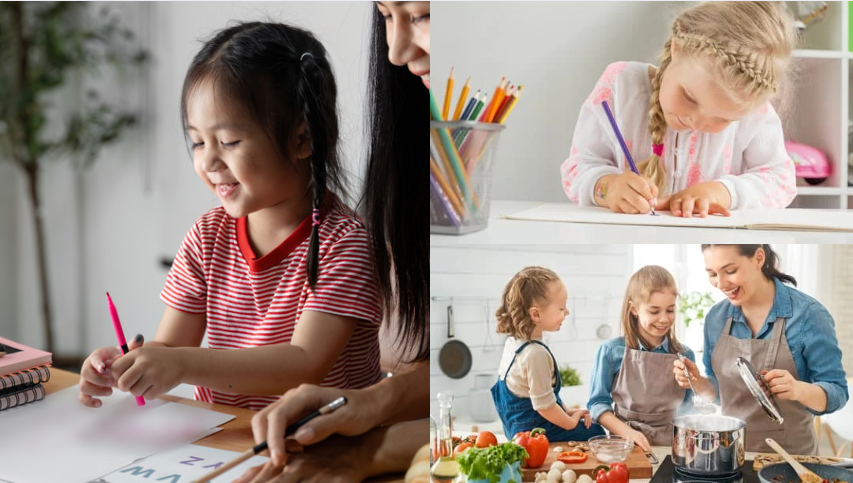
I am going to discuss the magic of hands-on learning. If you’ve ever watched a child discover the world through touch, play, and creation, you already know there’s something special about learning by doing. Play-based learning in kindergarten was essential to give a kick-start to the later years of primary school. Today, we are going to explore those messy, interactive, sometimes noisy lessons that contribute to the learning journey.
Why is hands-on learning meaningful? Well, for a start, children have short attention spans, and teaching them for a long duration in the classroom about an idea is going to bore them. Instead, to reinforce what is being taught, why not put in an engaging Science experiment or a Maths game? Research and real-world classroom experience both tell us that primary schoolers thrive when they can touch, build, explore, and ask questions in a tangible environment.
Think about trying to understand plant growth in Science. It would be a more rewarding experience for students to grow a bean plant, which I recall doing in class. The experiment called for a broader thinking of the effects of plant growth. The sheer ability to see the plant grow or change sparks curiosity and creativity, turning information into discovery. Abstract concepts on paper are brought to life.
I remember taking STEM classes at my school. We were learning about 3D printers. Each student had to design an everyday home item using the 3D printer. These kinds of experiences allowed me to develop critical thinking skills, and it was fun! Hands-on learning allows children to engage with the world around them, and who knows, they could be our future inventors or Nobel prize winners! Not only that, but we also learn qualities like collaboration, which fosters communication and teamwork. These are essential life skills needed in the years to come.
Parents can easily bring hands-on learning into everyday activities. For example, Maths games using everyday bottle caps collected from milk bottles. You can use that to teach counting, grouping for multiplication, or simply creating patterns.
Science projects at home can range from observing insects in the garden to making different mixtures to creating shadows with a torch. The list is endless!
In the current digital generation, we can explore YouTube to show our primary schoolers how it is done, but nothing beats getting your hands dirty and doing it yourselves. This is far more rewarding, and children appreciate the process a lot more
Until then, happy exploring, and remember: sometimes the best lessons come from the messiest moments!
Keep exploring and learning!